
- By HearthBuilt Homes
- June 9, 2026
- no comment
What is SPC Flooring? The Complete Guide to Stone Plastic Composite Vinyl
When selecting architectural finishes or managing structural property renovations, specifying the correct surface materials is paramount to achieving long-term asset value, environmental stability, and visual appeal. Among the most revolutionary advancements in resilient surface technology over the past decade is Stone Plastic Composite flooring, commonly known as SPC flooring.
For property owners, content developers, and contractors alike, understanding the structural layout, chemical makeup, and environmental resilience of these systems is vital. This foundational guide explores the technical dynamics of what is spc flooring, details its multi-layered engineering, explores latent market variations, and answers key user queries via semantic search alignment.
What is SPC Flooring? An Engineered Architectural Definition
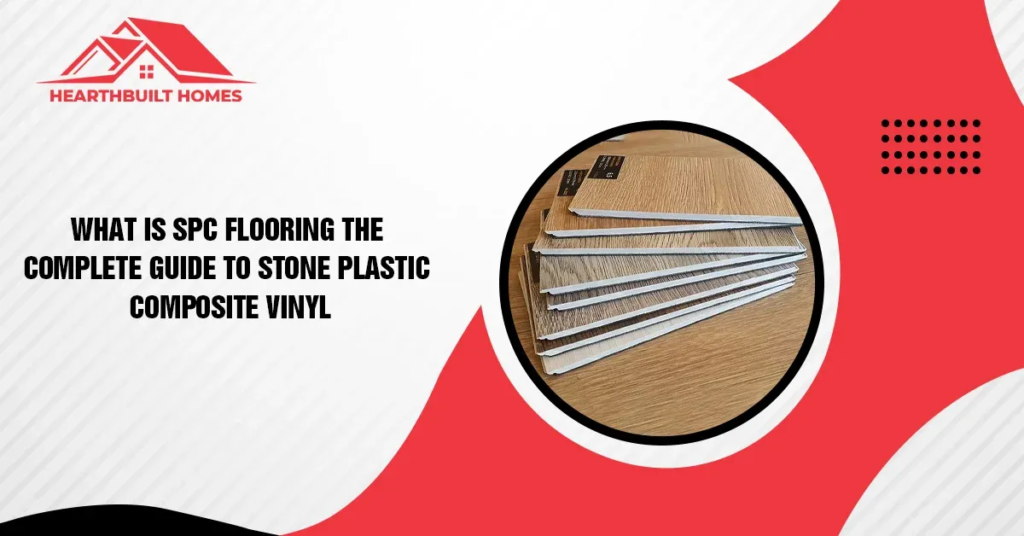
To fundamentally grasp spc flooring what is it, we must dissect its core composition. SPC stands for Stone Plastic Composite (or occasionally Stone Polymer Composite). It represents the next generation of luxury vinyl tile (LVT) and resilient plank options, distinguished primarily by its highly specialized, unyielding structural core.
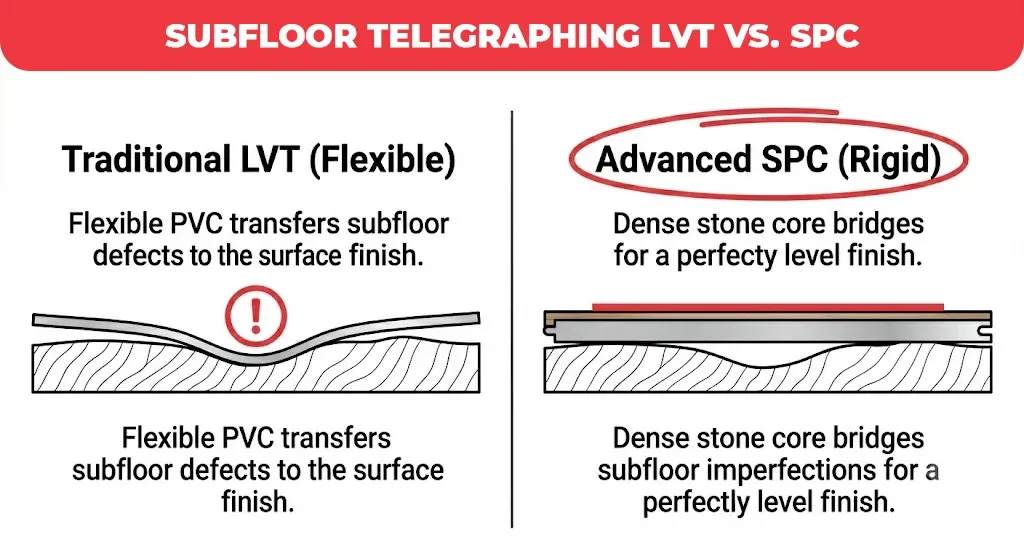
Unlike standard vinyl floors which maintain a pliable, elastic feel underfoot, SPC systems are classified as rigid core flooring structures. This inherent rigidity eliminates structural vulnerabilities often found in subfloor imperfections, making it a highly reliable option for modern commercial and residential construction projects.
What is SPC Flooring Made Of? Deep Dive into Material Engineering
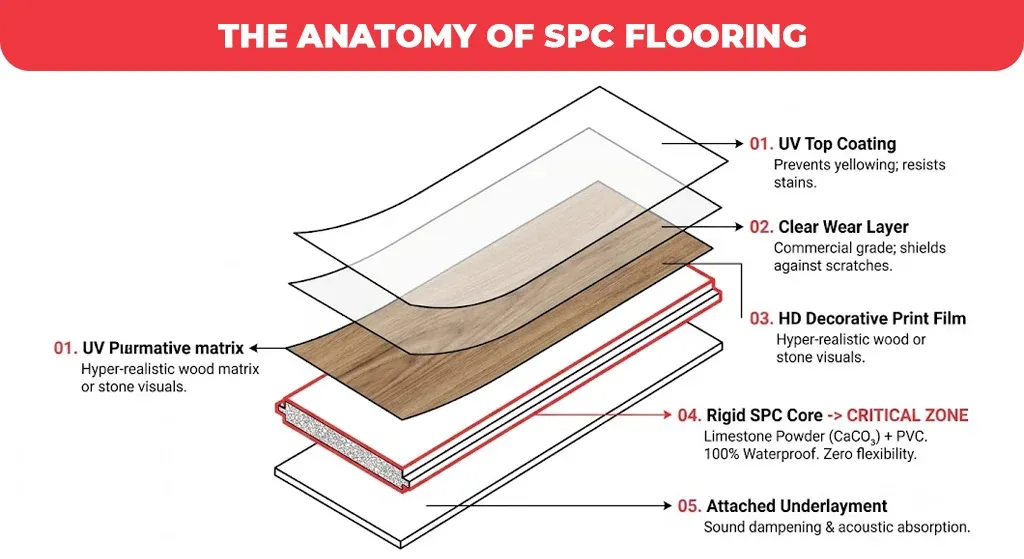
To truly analyze what is spc flooring made of, we must take a cross-sectional look at its advanced manufacturing blueprint. An industrial SPC plank is not a homogeneous block of plastic; instead, it is synthesized under extreme thermal pressure to form a multi-tiered composite asset consisting of four primary structural zones:
1. The UV Top Coating Layer
The topmost defensive matrix consists of an advanced ultraviolet-cured polyurethane coating. This step is engineered to counter daily environmental damage, including micro-abrasions, surface scuffs, and fade risks associated with long-term exposure to direct sunlight. This protective film prevents yellowing and reduces regular maintenance costs by eliminating the need for complex waxing routines.
2. The Heavy-Duty Transparent Wear Layer
Positioned immediately beneath the UV top-coat is a transparent, commercial-grade clear wear layer. This layer serves as the primary defense against localized impact forces, heavy foot traffic, and deep structural scratching. Measured in fractions of a millimeter—typically denoted as “mils” (e.g., 12 mil, 20 mil, or 28 mil)—this clear sheet protects the underlying decorative visual presentation from physical degradation over decades of continuous use.
3. The High-Definition Decorative Visual Print Film
This aesthetic layer contains realistic photographic designs created using high-definition, multi-channel print matrices. It gives the product its hyper-realistic look, perfectly mimicking premium hardwood planks (such as European white oak, natural walnut, or wire-brushed hickory), natural quarried stone, or polished architectural concrete surfaces.
4. The Rigid SPC Core (The Central Foundation)
This brings us to the core foundation of the plank. The dense center is formed by combining premium-grade limestone powders (calcium carbonate, denoted chemically as CaCO₃), polyvinyl chloride (PVC) polymers, and proprietary eco-friendly stabilization complexes. By optimizing this ratio—typically holding to a dominant 60% to 70% mineral content density—the resulting substrate achieves zero flexibility. This core is highly dimensionally stable, naturally flame retardant, and completely waterproof.
Plank Layer Component | Primary Material Makeup | Core Function & Engineering Objective |
UV Top Coating | Polyurethane Matrix (UV-Cured) | Resists stains, prevents yellowing, and minimizes glare. |
Clear Wear Layer | Pure Virgin Vinyl (12–28 mil) | Protects against heavy foot traffic, punctures, and deep scratches. |
Decorative Print Film | High-Definition Photographic Ink | Delivers hyper-realistic wood grains or stone textures. |
Rigid SPC Core | Limestone Powder (CaCO₃) & PVC Base | Provides total waterproofing, dimensional stability, and impact resistance. |
Underlayment (Optional) | IXPE, EVA Foam, or Natural Cork | Dampens sound, improves comfort underfoot, and absorbs minor subfloor shifts. |
The Benefits: Why Rigid Core Technology Dominates
Understanding the design behind what is spc vinyl flooring makes its wide-ranging performance benefits clear. Below are the key advantages that lead architects and developers to specify SPC flooring over traditional wood, laminate, or tile options:
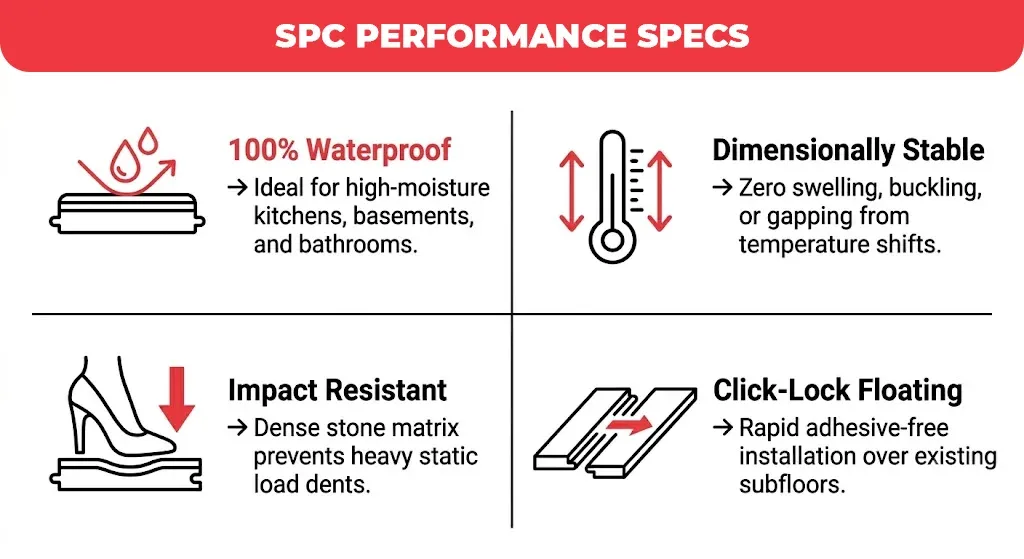
- 100% Comprehensive Waterproof Performance: Because the stone composite core contains zero hydrophilic elements, it will not swell, buckle, warp, or delaminate when exposed to moisture. This makes it ideal for areas prone to spills, such as kitchens, basements, full bathrooms, and high-moisture commercial environments.
- Exceptional Dimensional Stability: Natural wood and early laminate planks expand and contract significantly with changing ambient humidity and temperatures. The high mineral content of SPC provides exceptional stability, preventing gaps or warping even in climates with extreme temperature shifts.
- Unmatched Dent and Impact Resistance: The solid stone-plastic core provides superior resistance to heavy static loads (like large furniture pieces) and dynamic impacts (such as dropped items or high-heeled shoes) compared to standard wood or soft LVP options.
- Simplified, Efficient Installation: Most modern SPC lines feature advanced click-lock profile joints (such as Valinge or Uniclic systems). This design allows for quick floating installation directly over stable subfloors without requiring expensive glues or toxic adhesives.
Technical Material Comparisons: SPC vs. Alternative Substrates
To help property owners make informed decisions, it is crucial to analyze how SPC flooring compares to competing options, particularly LVP, LVT, and traditional laminate surfaces.
Understanding the Variance: SPC vs. WPC
While exploring rigid core solutions, buyers often compare SPC with Wood Plastic Composite (WPC) options. WPC core layers are manufactured by blending recycled wood flour or wood fiber compounds with expanding chemical foaming agents. This creates a lighter, thicker core with a softer, cushioned feel underfoot. However, the denser stone core of SPC offers significantly higher impact resistance and better durability under heavy commercial loads.
SPC vs. Traditional Laminate
Traditional laminate flooring is constructed with a compressed High-Density Fiberboard (HDF) core derived from organic wood pulp. While visually appealing and cost-effective, laminate remains vulnerable to moisture damage; liquid spills can seep into the joints, causing irreversible swelling and edge curling. In contrast, SPC’s limestone-PVC core is entirely waterproof, making it a much more durable choice for high-moisture spaces.
Long-Term Maintenance and Care Protocols
Maintaining the appearance and performance of an SPC installation is straightforward, but following the correct care protocols will help maximize its lifespan:
- Routine Cleaning: Dust, sweep, or vacuum the floor regularly using soft brush attachments to remove loose dirt and grit that could dull the wear layer over time.
- Mopping Guidelines: Use a damp microfiber mop with a pH-neutral cleaner formulated specifically for resilient vinyl surfaces. Avoid using harsh steam mops, as extreme heat can degrade the edge seals and built-in underlayments.
- Surface Protection: Place protective felt pads under heavy furniture legs and use non-rubber backed mats at entryways to catch abrasive outdoor debris.
Final Architectural Outlook
In conclusion, Stone Plastic Composite flooring represents a major step forward in resilient floor design. By blending the strength of natural stone with the moisture protection of premium vinyl polymers, SPC offers a highly durable, versatile, and beautiful flooring solution. Whether you are updating a modern home or designing a high-traffic commercial space, choosing an SPC system ensures long-lasting style, durability, and peace of mind.
Ready to Lock in Your Flooring Costs?
HearthBuilt Homes ships factory-direct SPC flooring with 20-mil wear layers and Unilin click-lock systems. Skip the retail markup and protect your margins on your next five deals.
FAQs
While SPC flooring offers exceptional durability, it does have a few drawbacks. Due to its dense, rigid stone composite core, it feels significantly firmer underfoot compared to cushioned vinyl or wood plastic composites (WPC). This density also causes the surface to retain less ambient heat, making it feel cooler to the touch unless paired with an integrated underlayment or underfloor radiant heating system.
Choosing between classic Luxury Vinyl Plank (LVP) and SPC depends on your specific environment and traffic needs. Standard flexible LVP features a softer PVC core, making it more comfortable to walk on and more forgiving over uneven subfloors. It is often an excellent, budget-friendly option for low-traffic residential areas.
Technically speaking, SPC is an advanced, rigid subcategory of Luxury Vinyl Tile (LVT). Traditional LVT consists of flexible, multi-layered PVC sheets that are either glued down or loosely laid over a subfloor. While traditional LVT offers great moisture resistance and style variety, its flexible nature can allow subfloor imperfections to show through over time—a issue known as "telegraphing."
Yes, SPC holds a clear performance advantage over traditional laminate flooring, primarily due to its water resistance. Traditional laminate relies on an organic HDF wood core that swells and warps when exposed to moisture or liquid spills. This limits its use in areas like bathrooms, kitchens, and basements.